
Microsoft Excel Is Causing Great Damage to Modern Software Design
Prototyping in Excel leads developers to build apps that look like spreadsheets. Great software design requires an emotional connection — not just a table of data.

For humans, a list is an exceedingly common way of organizing data. Typically a list is a collection of related items arranged vertically or horizontally, one item after another. Most databases store data in this very same manner.
A common first step when building a data-driven software application is to prototype data models in Microsoft Excel, a powerful tool for building and manipulating lists and managing raw data. The next step — product design — is the one that ultimately determines whether the software will live or die. And it's here that Excel is causing great damage by modeling terrible design.
Many developers build data-driven applications that look and feel a lot like Excel. Although mimicking the table-based structure of Excel often seems like the most logical way to display data onscreen, this assumption is flawed because it discounts a very important factor in great software design: the emotional connection between users and the software.
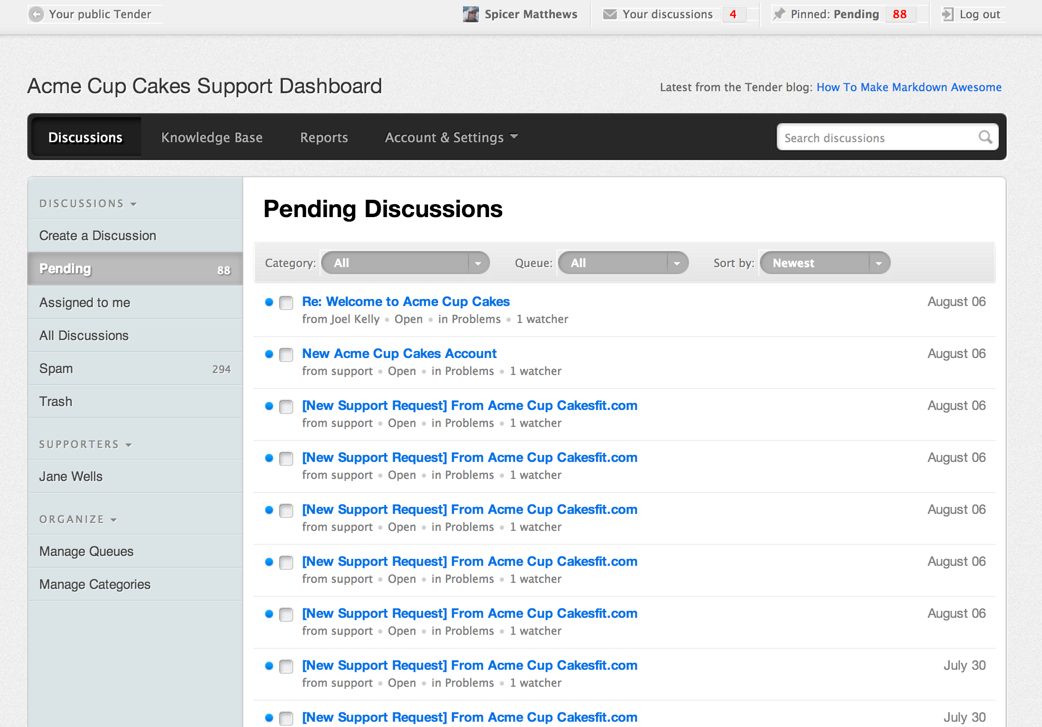
Great software, regardless of how mundane the content is, should evoke an emotional response. Users should have an unexplainable, powerful attachment to the application. Take a look, for example, at the screenshots below. Which one do you feel more compelled to engage with?
Option #1
Option #2
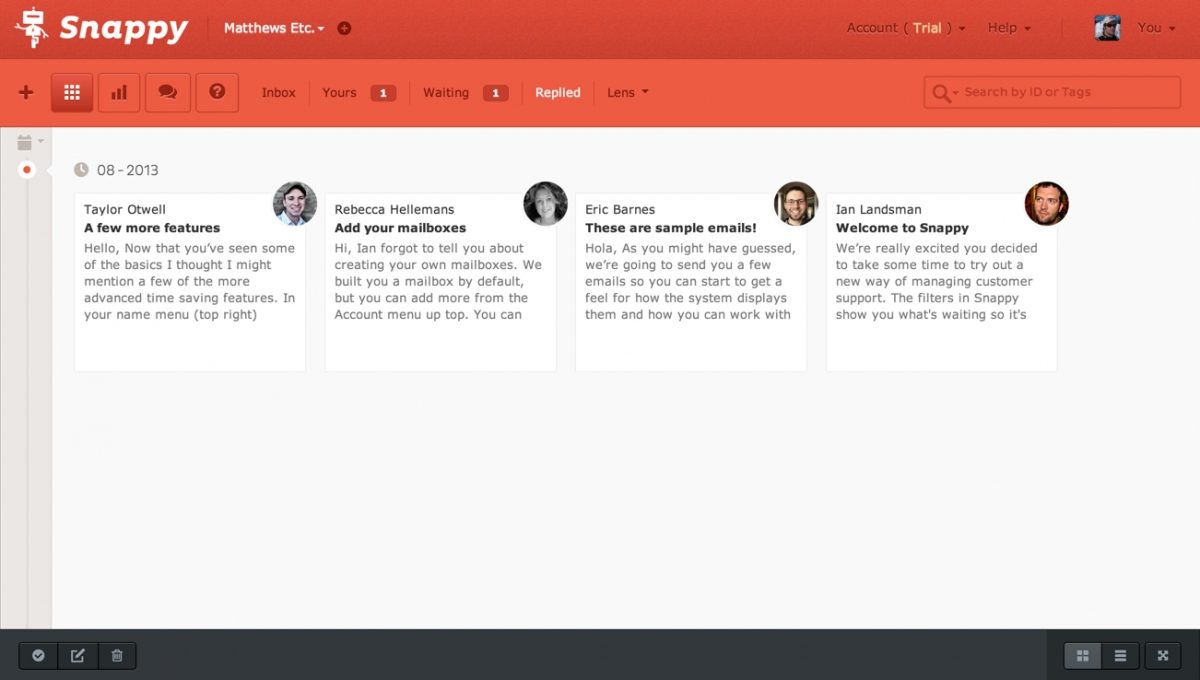
I assert that the design of Option 2 is far more engaging. Each item is part of a conversation between people. The effect is personal and meaningful. In contrast, the underachieving design of Option 1 delivers a list and little more. The information slackly dissolves into mere bits on a screen, requiring the viewer to concentrate to make sense of it — sort of like one does with those Magic Eye stereogram images.
Keep reading
All entries →
End Users Need to Stop Taking Credit for Good Design
Calling an interface intuitive gives users credit that belongs to designers. Good design is costly, iterative, and hard-won — simplicity is just blood, sweat, and tears in sheep's clothing.
Read →Thinking Offline by Default
Building apps offline-first isn't about supporting poor connections — it's about making software blazingly fast by storing data locally and syncing in the background with web workers.
Read →